When Your Medication Vanishes in Transit: A Canadian Patient's Guide to Mail-Order Pharmacy Delays and How to Resolve Them
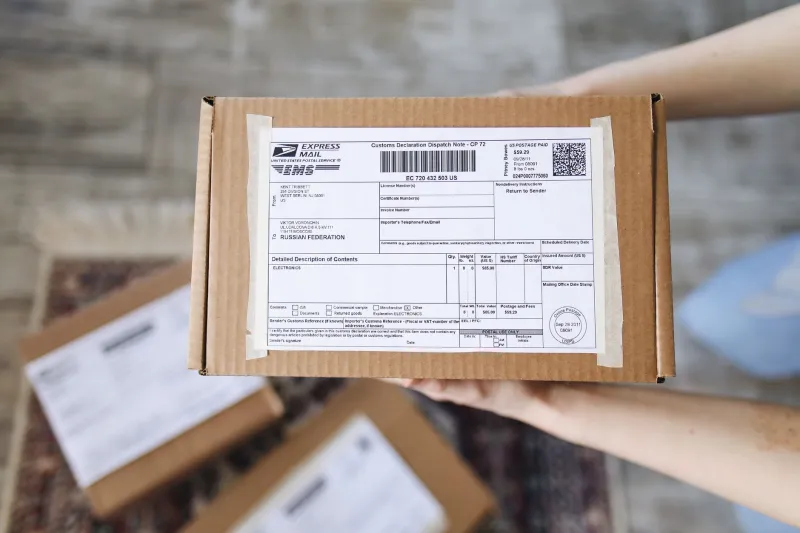
For millions of Canadians, the appeal of mail-order pharmacy services is straightforward: prescriptions arrive at your door, refills are automated, and there is no need to rearrange your schedule around pharmacy hours. The promise is particularly compelling for patients in rural communities, those managing chronic conditions requiring monthly refills, or anyone whose mobility makes in-person visits difficult.
But the promise and the reality do not always align. Across the country, patients are discovering that their medications have stalled somewhere between a distribution centre and their front step — and that the systems meant to help them locate a missing shipment are often fragmented, slow, and poorly explained. Understanding why this happens, and what you can do about it, may be one of the more practical things you can do for your own health.
What Actually Happens After You Click "Submit"
Most Canadians picture a straightforward path: prescription received, medication packaged, parcel shipped. The actual process is considerably more layered. Once a prescription reaches a mail-order pharmacy's fulfillment centre, it enters a queue that may involve pharmacist review, insurance adjudication, inventory checks, and regulatory compliance verification — particularly for controlled substances or medications that require special handling documentation.
For larger national services, fulfilment may occur at a centralized facility that is geographically distant from the patient. A patient in Cape Breton or Yellowknife may have their prescription processed at a warehouse in Ontario or British Columbia before it enters the Canada Post or courier network. Each handoff introduces a potential point of failure.
Temperature-sensitive medications — including certain biologics, insulin formulations, and some psychiatric drugs — require cold-chain packaging that adds another layer of complexity. These shipments must maintain specific temperature ranges from the moment they leave the pharmacy until they reach your hands. If that chain is disrupted at any point, the medication may be compromised even if the package arrives on time and appears undamaged.
Why Delays Happen More Often Than Pharmacies Acknowledge
Pharmacies that operate by mail are subject to the same logistical pressures that affect every parcel-based business in Canada — and then some. Seasonal surges around the holidays, labour disruptions at Canada Post, severe winter weather affecting road and air freight, and customs processing for cross-border shipments all contribute to unpredictable timelines.
Beyond external factors, internal processing delays are common and rarely communicated proactively. Prescription verification backlogs, out-of-stock inventory requiring supplier orders, or insurance pre-authorization requirements can hold a shipment for days without triggering any automated notification to the patient. Many patients only discover a delay when they run out of medication and check their tracking number for the first time.
There is also a documentation gap. Unlike a brick-and-mortar pharmacy where a pharmacist can tell you immediately whether your prescription is ready, mail-order systems often rely on automated status updates that do not accurately reflect what is happening inside the fulfilment centre. A status reading "in processing" may mean something entirely different on day one versus day seven.
The Temperature Problem Nobody Warns You About
For patients on biologics, certain insulins, or refrigerated liquid medications, the cold-chain question deserves particular attention. Mail-order pharmacies are generally required to use insulated packaging and gel packs rated for a defined number of hours. However, the actual transit time — especially during summer heat or when a parcel sits on a truck overnight — may exceed the packaging's rated window.
Health Canada does not maintain a public database of cold-chain failures reported by mail-order pharmacies, which means patients have little comparative data to draw from when choosing a service. If you rely on a temperature-sensitive medication, it is worth asking your pharmacy explicitly: What packaging standard do you use? What is your policy if a shipment is delayed beyond the cold-chain window? Will you replace a compromised shipment at no cost?
If your medication arrives and you are uncertain whether it was stored properly, do not administer it without consulting your pharmacist or prescribing physician. Degraded biologics and insulin, in particular, may appear normal but deliver inconsistent therapeutic results — a problem that can be mistaken for worsening illness rather than a logistics failure.
Practical Steps When Your Prescription Goes Missing
If your shipment has not arrived within the expected window, begin with these steps:
Contact the pharmacy directly — by phone, not portal. Online chat functions and patient portals are often routed through customer service queues with limited access to real-time fulfilment data. A direct phone call to the pharmacy's dispensing team will typically yield more accurate information about where in the process your order actually is.
Request a fulfilment timestamp. Ask specifically when your prescription was filled and when it was handed to the carrier. This distinguishes between a pharmacy delay and a courier delay — two problems with different solutions.
Use the carrier's trace request, not just the tracking page. Canada Post and major courier services have formal trace request processes for parcels that have not updated within a defined window. Filing a trace request creates a paper trail and often prompts a physical search at the most recent scan point.
Document everything. Note the dates of every conversation, the name or identifier of every representative you speak with, and the content of their responses. If you ultimately need to escalate — to the pharmacy's patient relations team, your provincial college of pharmacists, or your insurance provider — this documentation will be essential.
Ask about an emergency supply. If your medication is time-sensitive and the delay is extending beyond a few days, contact your prescribing physician or a local pharmacy. Many provinces permit a pharmacist to dispense an emergency supply of a chronic medication when a patient can demonstrate they are awaiting a mail-order shipment. Rules vary by province, so confirm the specifics in your jurisdiction.
Advocating for Yourself Within the System
Canadian patients have more recourse than many realize. If a mail-order pharmacy has failed to deliver your medication within a reasonable timeframe, failed to communicate proactively about delays, or shipped a product that arrived in a compromised condition, you have the right to file a complaint with the provincial regulatory college that licenses the pharmacy. Most mail-order pharmacies operating in Canada are licensed in a specific province — typically Ontario or British Columbia — and are subject to that province's college of pharmacists oversight.
For patients whose private insurance covers their prescriptions, the insurer also has an interest in ensuring the dispensing service it covers is performing adequately. Escalating a chronic fulfilment problem to your benefits provider may prompt the insurer to engage the pharmacy on your behalf.
Finally, consider whether mail-order delivery is the right model for all of your medications. For time-sensitive prescriptions, those requiring refrigeration, or those where an interruption in supply would carry significant health consequences, a hybrid approach — using a local pharmacy for critical medications and mail-order for stable, long-term refills — may offer a more reliable safety net.
A More Informed Approach to Convenience
Mail-order pharmacy services represent a genuine advancement in how Canadians access their medications. Used thoughtfully and with realistic expectations, they can reduce costs, improve adherence, and extend access to patients who would otherwise face significant barriers. But convenience should not come at the cost of reliability, and patients deserve a clear understanding of what can go wrong — and how to respond when it does.
At CanadianPharmaciesYourX, we believe that informed patients make better decisions about their care. If you have questions about the logistics of mail-order prescription services or want to understand your options for medication delivery in Canada, our team is available to help you navigate the process with confidence.