Points That Never Pay Off: The Hidden Mechanics of Canadian Pharmacy Loyalty Programs
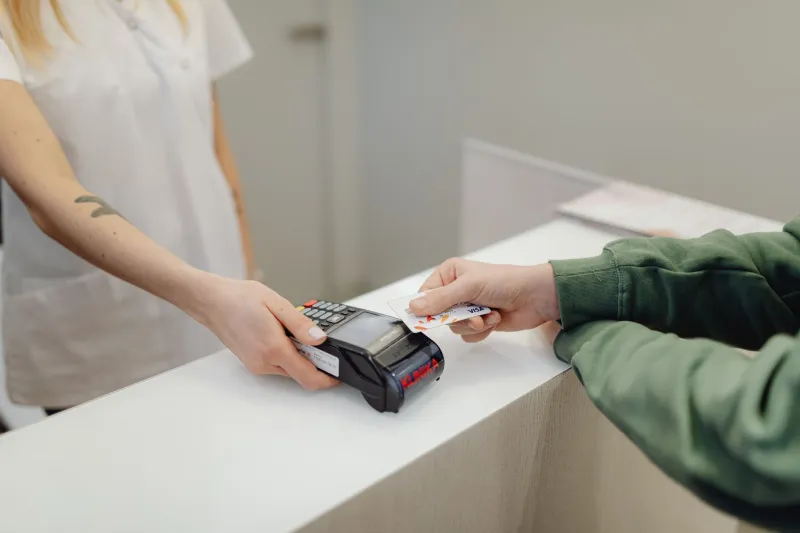
Walk into almost any major Canadian pharmacy chain and you will be asked, within seconds of reaching the counter, whether you have your loyalty card. It is a ritual so embedded in the retail pharmacy experience that most Canadians participate without a second thought. Swipe the card, collect the points, and assume that somewhere down the line, a meaningful reward is accumulating on your behalf.
The reality is considerably less generous than the marketing suggests.
For patients who rely on regular prescription medications, pharmacy loyalty programs are frequently misaligned with how prescriptions actually work. Understanding that misalignment — and knowing where genuine savings exist — is one of the more practical things a Canadian patient can do for their household budget.
How Pharmacy Loyalty Programs Are Designed to Work (In Theory)
The major Canadian pharmacy chains — including Shoppers Drug Mart, Rexall, and Pharmaprix — each operate proprietary rewards ecosystems. Shoppers Drug Mart's PC Optimum program is arguably the most recognisable, offering points on eligible purchases that can eventually be redeemed in increments, typically starting at 10,000 points for a ten-dollar discount.
On paper, the model sounds reasonable. Spend money you would spend anyway, earn points, redeem for discounts. The challenge is that the word "eligible" carries significant weight. In most provinces, prescription medications dispensed under a provincial drug plan or a private insurance plan are either excluded from points accumulation entirely or earn at a substantially reduced rate. This is not a loophole — it is a deliberate structural feature.
Regulatory guidance in several provinces has historically restricted the awarding of loyalty points on provincially funded prescriptions, on the basis that such incentives could influence where patients fill publicly subsidised medications. The result is that the patients who visit a pharmacy most frequently — those managing chronic conditions and filling regular prescriptions — are often the patients earning the fewest points per visit.
The Expiry Problem Nobody Mentions at the Counter
Even for patients who do accumulate points on over-the-counter purchases, vitamins, or other eligible products, expiry policies present a quiet threat to whatever balance they have built.
Most Canadian pharmacy loyalty programs include inactivity clauses. Points may expire after a defined period of account inactivity — often twelve to twenty-four months — depending on the program's terms and conditions, which are updated periodically and not always communicated proactively to members. A patient who fills prescriptions regularly but purchases little else from the pharmacy may find that their account is classified as insufficiently active under the program's definitions.
Beyond inactivity expiry, programs occasionally restructure their redemption thresholds or adjust the point-to-dollar conversion rate. When these changes occur, accumulated points may effectively be devalued overnight. The balance on your card represents the same number of points; it simply buys less than it did before the policy revision.
Redemption Patterns That Don't Match Prescription Cycles
Consider how a typical patient with a chronic condition actually interacts with a pharmacy. They arrive once every thirty to ninety days to collect a refill. The transaction is largely focused on the medication itself. They may pick up a seasonal item or a personal care product occasionally, but the pharmacy is not their primary destination for general retail shopping.
Loyalty programs, by contrast, are designed to reward frequent, broad purchasing behaviour across multiple product categories. Bonus point events — the promotional periods when chains offer ten times or twenty times the standard points on selected products — are timed to drive incremental purchases of items the patient may not have needed. Participating in these events to accumulate points can result in spending more money than the eventual reward is worth.
This is the core of what behavioural economists call reward program psychology: the perceived value of accumulating points can motivate purchases that, when analysed without the emotional framing of "earning something," would not have been made at all.
What the Points Are Actually Worth
To evaluate any loyalty program honestly, it helps to reduce the rewards to their cash equivalent. In most major Canadian pharmacy programs, the effective return rate on eligible purchases ranges from approximately one to two percent. That means a patient spending one hundred dollars on eligible products might expect to eventually redeem one to two dollars in value — assuming the points do not expire, are not devalued, and the patient reaches the minimum redemption threshold.
For context, a number of no-fee credit cards available to Canadian consumers offer one to two percent cash back on all purchases, with no expiry dates, no minimum redemption thresholds, and no restrictions on which product categories qualify. The credit card reward, in this comparison, is structurally more reliable than the pharmacy loyalty program reward.
A Framework for Deciding Whether to Participate
None of this is to suggest that loyalty programs are universally without value. For patients who already purchase a wide range of products from a particular pharmacy chain — cosmetics, household goods, over-the-counter medications, and seasonal items — points can accumulate at a pace that makes redemption realistic. The program may offer genuine value to this segment of customers.
For patients whose pharmacy visits are primarily prescription-driven, a more useful framework involves asking three questions before participating:
First, are your prescriptions actually eligible? Review the program's terms or ask the pharmacist directly. If the bulk of your pharmacy spending is on prescriptions covered by a provincial or private plan, your earning rate may be negligible.
Second, how long will it realistically take to reach the minimum redemption threshold? Calculate based on your actual purchasing patterns, not the optimistic scenarios implied by promotional materials.
Third, what is the expiry policy? Understand exactly what constitutes account activity under the program's rules, and determine whether your typical purchasing pattern meets that threshold.
If the answers suggest that redemption is unlikely within a reasonable timeframe, the loyalty card may be collecting more of your personal purchasing data than it is returning in value.
Where Genuine Medication Savings Exist
For Canadians focused on reducing what they spend on medications, the more impactful strategies generally have nothing to do with loyalty points.
Generic substitution, where clinically appropriate, remains one of the most significant levers available. Generic medications can cost substantially less than their brand-name equivalents, and Canadian pharmacists are authorised in most provinces to suggest generic alternatives when filling a prescription.
Patient assistance programs offered by pharmaceutical manufacturers provide another avenue, particularly for patients taking higher-cost specialty medications who meet income eligibility criteria.
For those without employer-sponsored drug coverage, or whose coverage has gaps, Canadian online pharmacies can offer meaningful price differences on a range of medications — particularly for patients willing to plan ahead and order refills before an urgent need arises. At CanadianPharmaciesYourX, prescription medications are dispensed by licensed Canadian pharmacists, with pricing structures that reflect the actual cost of the medication rather than the overhead of a large retail footprint.
The Takeaway
Pharmacy loyalty programs are a fixture of the Canadian retail pharmacy landscape, and they are not going anywhere. But treating them as a meaningful component of your medication cost strategy is likely to disappoint. The design of these programs prioritises broad retail spending over prescription-focused patronage, and the combination of expiry policies, redemption thresholds, and provincial restrictions on point accumulation means many patients are building a balance they will never see returned.
The more productive conversation is about where the actual dollars go — and whether the pharmacy where you fill your prescriptions is offering the most transparent and competitive pricing available to you. That question, unlike the points balance on a loyalty card, tends to yield answers you can actually act on.