Managing Multiple Medications Without Losing Track: Digital Strategies for Canadian Patients
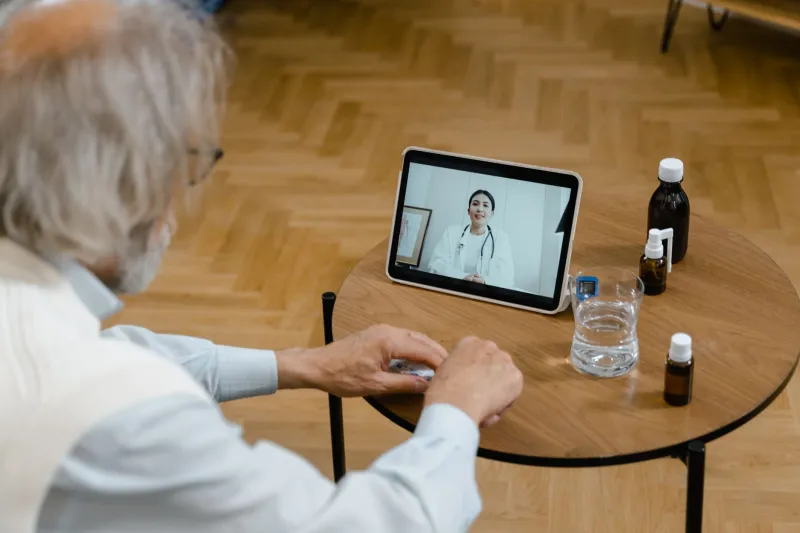
For a retired schoolteacher in Sudbury managing five daily prescriptions, or a Winnipeg office worker balancing a thyroid medication with a newly prescribed antidepressant, the logistics of medication management can quietly become a second job. Across Canada, the challenge of keeping multiple prescriptions organised, refilled on time, and taken correctly is far more common—and far more consequential—than most people realise.
This is not a minor inconvenience. Medication errors, missed doses, and unrecognised drug interactions are among the leading contributors to preventable hospital admissions in this country. Understanding why this gap exists, and how modern digital tools are helping to close it, is increasingly important for any Canadian patient navigating a complex health regimen.
The Scope of Polypharmacy in Canada
Polypharmacy—the simultaneous use of multiple medications—is especially prevalent among older Canadians. According to the Canadian Institute for Health Information, a significant proportion of seniors are prescribed five or more medications concurrently, with many managing ten or more. This is not inherently problematic; multiple prescriptions often reflect appropriate treatment of multiple conditions. The difficulty arises in coordination.
When prescriptions come from several different prescribers—a family physician, a cardiologist, a dermatologist—there is no guarantee that each provider has a complete picture of what the patient is already taking. Pharmacists serve as a critical safety net in these situations, but only if the patient fills all their prescriptions at the same location, which is not always practical, particularly in rural and remote parts of the country.
For younger Canadians, the challenge is often less about volume and more about consistency. A busy schedule, irregular routines, or simply forgetting whether a dose has already been taken can undermine even the most straightforward medication plan.
Where Things Go Wrong
The consequences of poor medication management range from mild to severe. At the less serious end, a forgotten dose of a blood pressure medication may cause no immediate harm. At the other extreme, skipping doses of an immunosuppressant or anticoagulant can lead to acute medical emergencies.
Interactions between medications represent a separate and particularly serious concern. Some drug combinations reduce the effectiveness of one or both medications; others produce dangerous side effects. Grapefruit juice and certain statins. Aspirin and warfarin. St. John's Wort and antidepressants. The list of problematic combinations is long, and patients are not always warned clearly or repeatedly enough about the risks.
Refill timing is another common failure point. Running out of a critical medication—even for a day or two—can disrupt carefully managed conditions such as diabetes, epilepsy, or hypertension. In communities where a pharmacy requires a long drive or a wait for a mailed prescription, these gaps become harder to avoid.
Digital Tools Changing the Experience for Canadian Patients
The good news is that technology has made meaningful progress in addressing these challenges, and adoption among Canadian patients is growing steadily.
Medication reminder applications are perhaps the most accessible starting point. Apps such as Medisafe, MyTherapy, and RoundHealth allow users to enter their full medication list, set custom reminders for each dose, and receive alerts when a refill is approaching. Several of these platforms also flag potential interactions between medications already entered into the system—a genuinely useful safety feature for patients who are managing prescriptions from multiple providers.
For caregivers supporting an elderly parent or a family member with a cognitive impairment, many of these apps include caregiver monitoring features, allowing a family member to receive notifications if a dose is missed. This kind of remote oversight can be especially valuable in a country as geographically dispersed as Canada.
Electronic medication records are another growing resource. Several provincial health systems have invested in patient-accessible digital health records, allowing Canadians to view their prescription history, upcoming refills, and dispensing records in one place. British Columbia's Health Gateway and Ontario's MyChart-integrated services are examples of provincial infrastructure moving in this direction, though adoption and functionality vary considerably by region.
How Online Pharmacies Integrate Into the Solution
One of the more practical developments for Canadian patients managing complex regimens is the emergence of online pharmacies with built-in medication management features. Rather than treating each refill as a separate transaction, a well-designed online pharmacy platform allows patients to maintain a consolidated medication profile, track refill schedules, and receive automated reminders when a prescription is due for renewal.
At CanadianPharmaciesYourX, for example, patients can manage their full prescription history through a single account, reducing the risk of refill gaps and making it easier to communicate a complete medication list to any healthcare provider. The convenience of home delivery is particularly relevant for Canadians in communities where pharmacy access is limited, or for patients whose mobility makes regular pharmacy visits difficult.
The integration of pharmacist consultations within online platforms adds another layer of safety. A licensed Canadian pharmacist reviewing an order can identify potential interactions, flag unusual dosing patterns, and reach out to the prescribing physician if necessary—functions that mirror those of a traditional dispensing pharmacist, delivered in a format accessible from anywhere with an internet connection.
Practical Steps for Better Medication Organisation
Digital tools are most effective when combined with straightforward organisational habits. A few approaches that consistently make a difference:
- Maintain a current medication list. Keep an updated written or digital record of every medication, supplement, and over-the-counter product you take regularly, including dosages and the names of the prescribing physicians. Share this list with every healthcare provider you see.
- Use a single pharmacy when possible. Filling all prescriptions at one location—whether physical or online—gives your pharmacist the full picture and increases the likelihood that interactions will be caught before they cause harm.
- Schedule refills proactively. Rather than waiting until a prescription runs out, set a reminder to request a refill when you have roughly a two-week supply remaining. Most online pharmacy platforms can automate this process entirely.
- Ask questions at every dispensing point. Whenever a new medication is added to your regimen, ask your pharmacist explicitly whether it interacts with anything you are already taking. This conversation takes minutes and can prevent serious harm.
The Path Forward
The complexity of modern medication regimens is not going away—if anything, it will grow as Canada's population ages and the prevalence of chronic conditions increases. But the tools available to support patients are also improving rapidly, and the gap between what is possible and what most Canadians are currently doing is one that can be meaningfully closed.
Digital health platforms, integrated online pharmacy services, and a more proactive approach to medication literacy together represent a practical path toward safer, better-organised care. The goal, ultimately, is straightforward: ensuring that the medications prescribed to improve a patient's health are actually taken correctly, consistently, and without preventable harm.